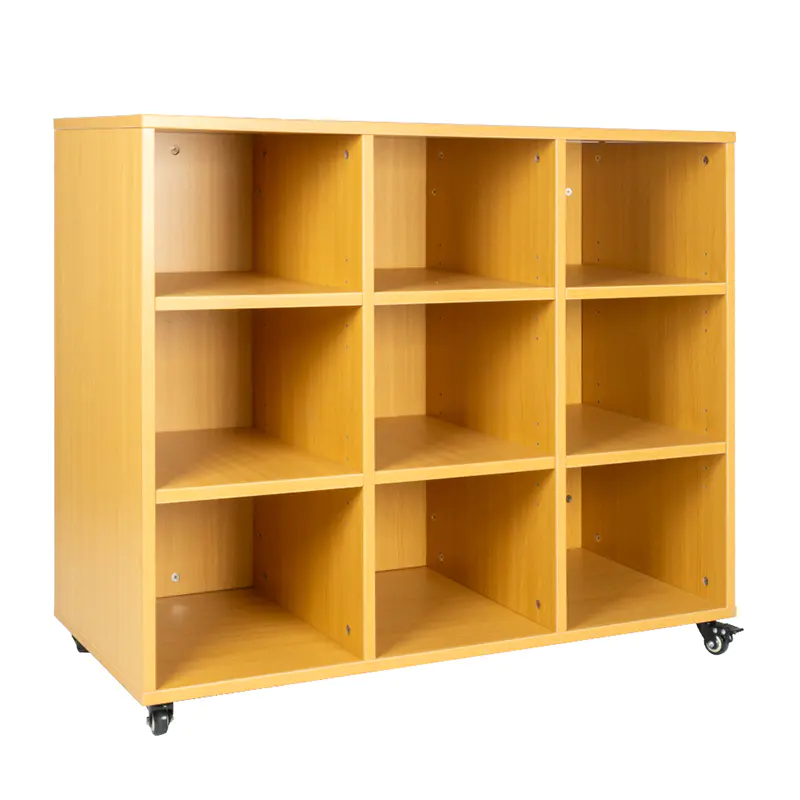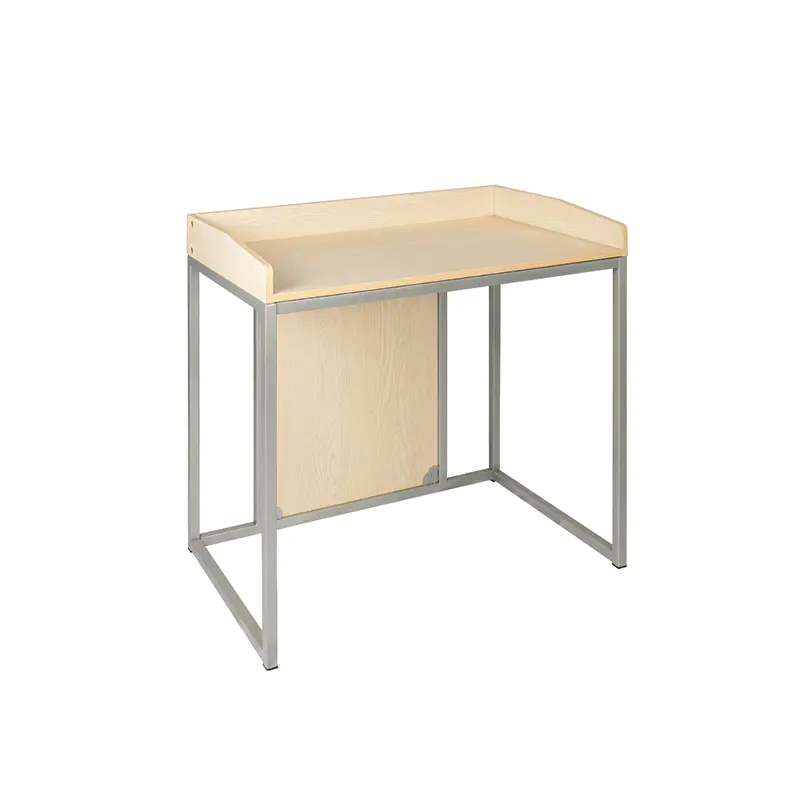

Mobile cabinets have become essential pieces of furniture in modern workplaces, educational institutions, healthcare facilities, and even residential spaces. Their ability to combine secure storage with mobility makes them one of the most versatile organizational solutions available. This guide provides a comprehensive overview of mobile cabinets, covering their types, applications, key specifications, material options, and selection considerations.
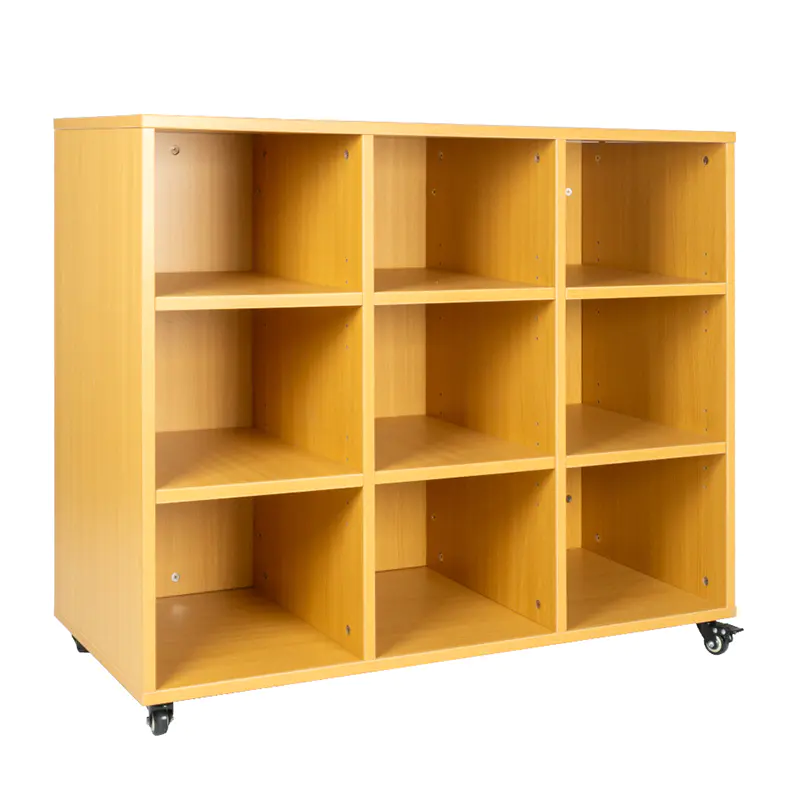
A mobile cabinet is a storage unit equipped with wheels or casters that allow it to be easily moved from one location to another. Unlike stationary cabinets that remain fixed in place, mobile cabinets offer the flexibility to reconfigure spaces quickly, transport equipment and supplies between work areas, and optimize workflow efficiency.
The defining characteristic of a mobile cabinet is its mobility, but modern designs also incorporate other features such as secure locking mechanisms, adjustable shelving, ergonomic handles, and specialized compartments for specific items.
Mobile cabinets are commonly found in:
Offices and coworking spacesStandard mobile cabinets are designed for general storage purposes. They typically feature adjustable shelves and locking doors, providing secure storage for a variety of items.
Key specifications:
Capacity: 50–300 kgMobile file cabinets are specifically designed for document storage. They often feature:
Full-extension filing drawers for easy access
Hanging file rails for letter and legal size documents
Locking mechanisms to secure sensitive information
Reinforced drawer bottoms to support heavy files
Specialized mobile cabinets for healthcare and laboratory environments feature:
Stainless steel construction for easy cleaning and sanitationMobile tool cabinets are designed for workshops and garages. They typically feature:
Heavy-duty steel constructionThese specialized mobile cabinets transport audiovisual equipment and technology:
Adjustable shelves for different device sizesMobile cabinets allow users to reconfigure spaces quickly and easily. Whether rearranging an office layout, setting up a temporary classroom, or organizing a workshop, mobile cabinets provide the flexibility to adapt to changing needs.
By combining storage with mobility, these cabinets eliminate the need for separate storage rooms and transport equipment. They can be moved out of the way when not in use or positioned precisely where they are needed most.
Mobile cabinets enable more efficient workflows by bringing supplies and equipment directly to the point of use. This reduces time spent walking to and from fixed storage locations and improves overall productivity.
Most mobile cabinets feature locking mechanisms, allowing users to secure valuable items, sensitive documents, or controlled substances while maintaining mobility.
With adjustable shelves, drawers, and dividers, mobile cabinets help maintain organized storage, reducing clutter and making it easier to find items quickly.
Light-duty: Up to 50 kg
Medium-duty: 50–150 kg
Heavy-duty: 150–300+ kg
| Caster Type | Material | Best For | Floor Compatibility |
|---|---|---|---|
| Rubber | Non-marking rubber | Quiet operation, noise reduction | Hard floors, carpet |
| Polyurethane | Polyurethane | Heavy loads, durability | Hard floors |
| Nylon | Hard nylon | High loads, chemical resistance | Hard floors, carpets |
| Pneumatic | Rubber with air-filled tires | Uneven surfaces, outdoor use | Rough or uneven surfaces |
| Steel | Solid steel | Extreme loads | Concrete, industrial floors |
Key lock: Traditional and secure
Combination lock: No keys to lose
Electronic lock: Keypad or card access
Central locking system: Single lock secures all drawers and doors
Mobile cabinets provide flexible storage for files, office supplies, and personal items. They can be moved between workstations, meetings, and common areas as needed.
Schools benefit from mobile cabinets for storing books, art supplies, technology equipment, and classroom materials. The mobility allows teachers to reconfigure classrooms and shared spaces easily.
Mobile medical cabinets store supplies, instruments, and medications. Their mobility enables efficient distribution of resources and supports point-of-care delivery. Cleanroom-compatible mobile cabinets are also available for controlled environments.
Heavy-duty mobile tool cabinets provide organized storage for tools and equipment. Their mobility allows workers to bring tools directly to the work area, improving efficiency.
Homeowners use mobile cabinets for home offices, garages, craft rooms, and kitchens. They provide organized storage that can be repositioned as needs change.
A mobile cabinet is a wise investment for anyone who needs flexible, organized storage that can adapt to changing requirements. When selecting a mobile cabinet:
Consider your specific application and storage needsThe right mobile cabinet can significantly improve efficiency, organization, and flexibility in any workspace or home environment.