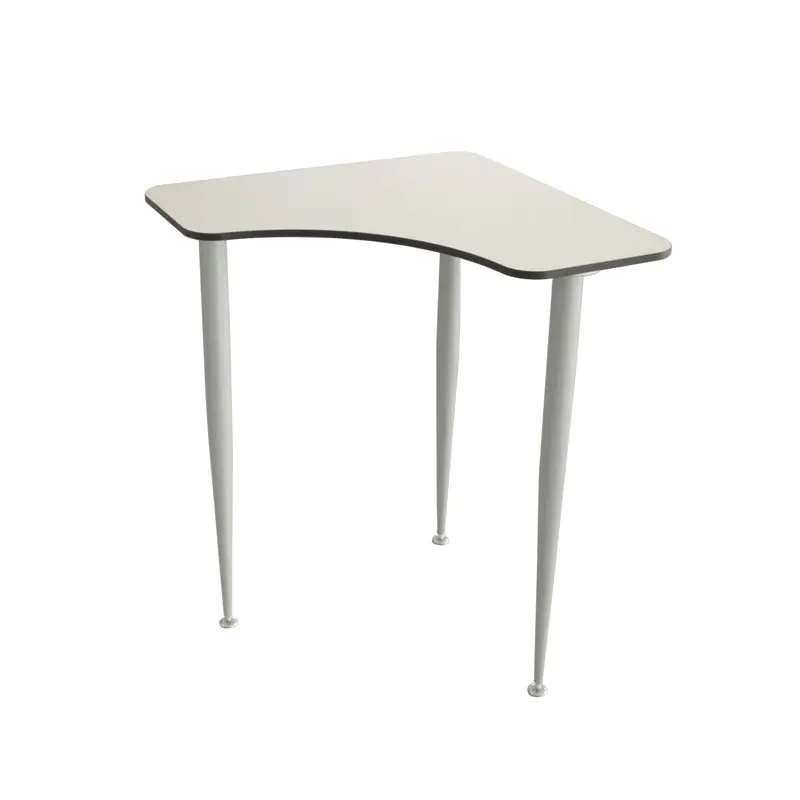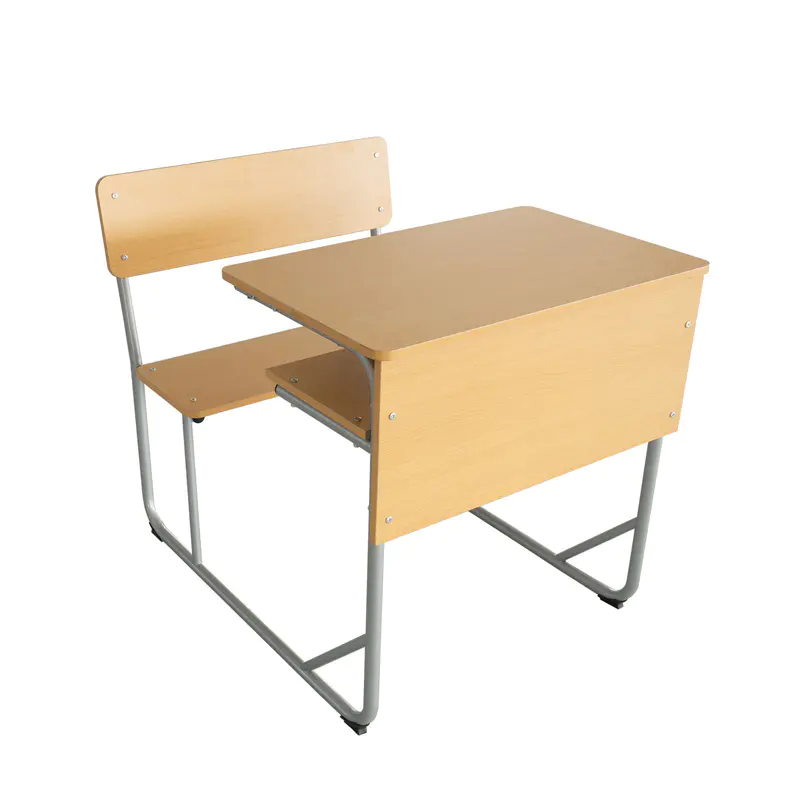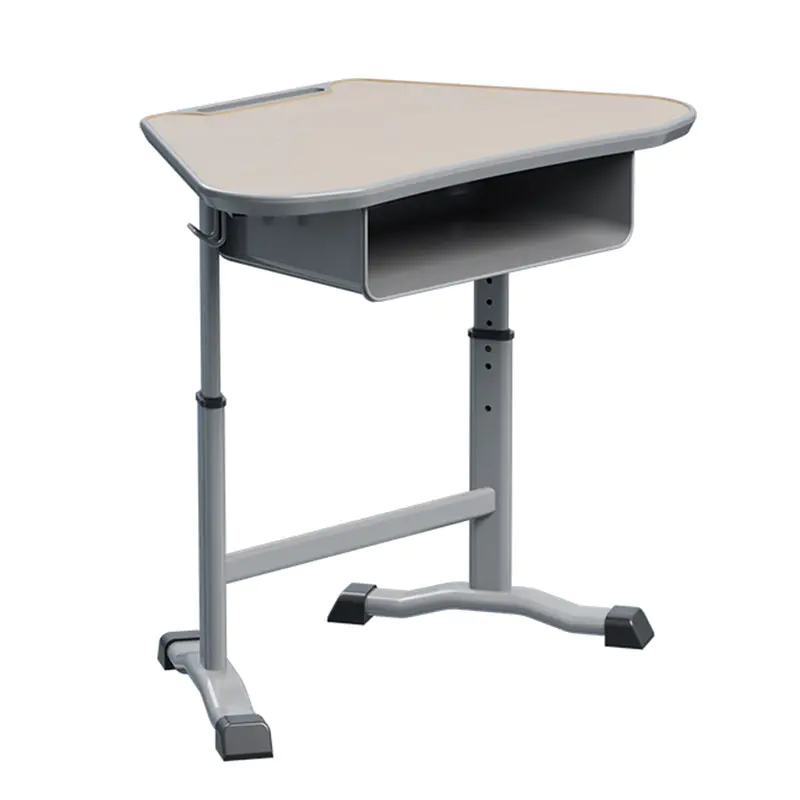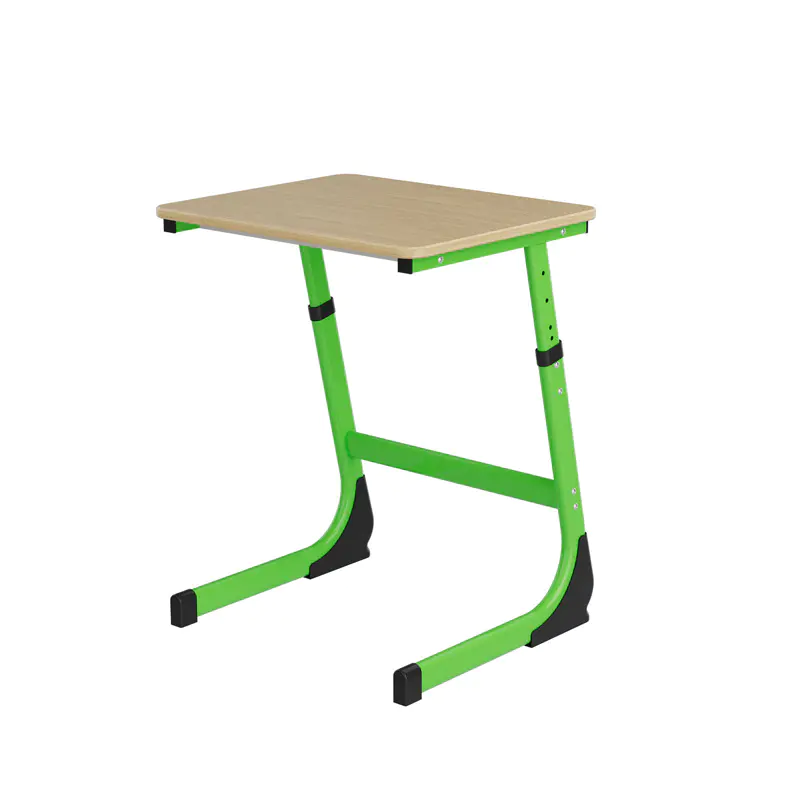
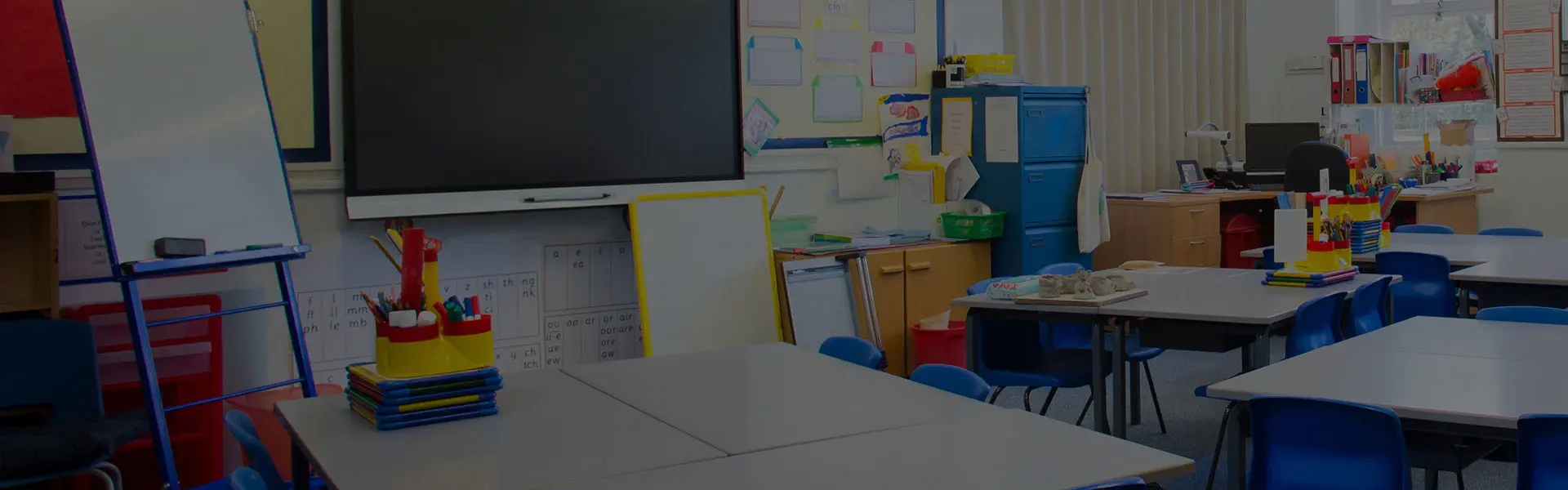
Recent product updates from multiple office furniture manufacturers indicate that the collaborative desk has shifted from being a "nice-to-have accessory" to a standard fixture in open-plan offices, shared workspaces, and hybrid work environments.
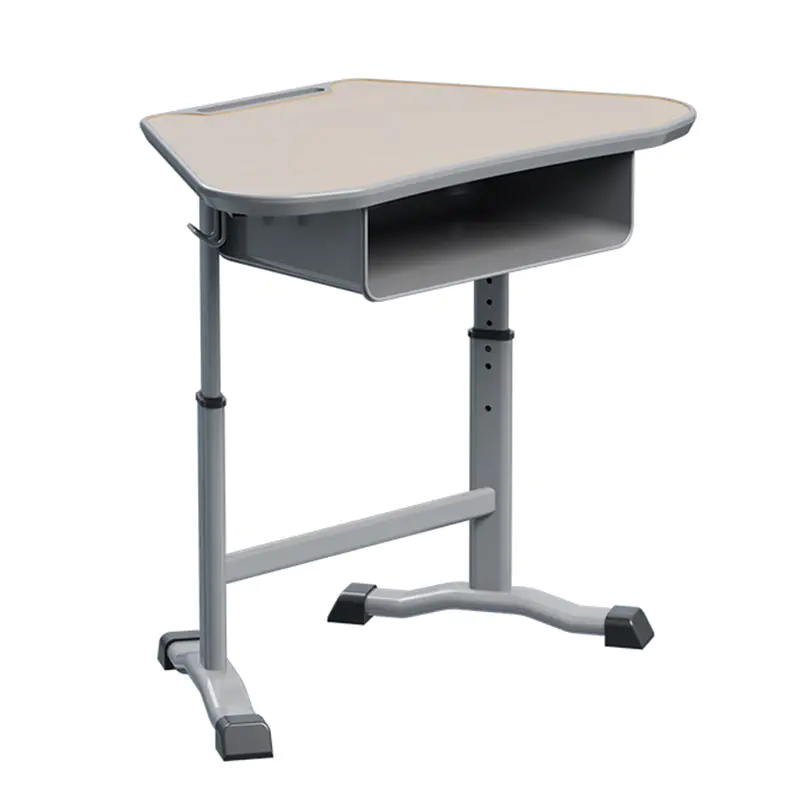
Industry consensus defines a collaborative desk as a simple, unassigned table for temporary or short-term use by multiple people. Unlike traditional employee workstations, collaborative desks typically do not include personal storage lockers, fixed monitors, or complex cable management systems.
Common configurations include:
Long tables (4–6 person capacity)
Round or square tables (2–4 person capacity)
High-top bar tables (for standing or stool seating)
Materials are typically steel frames with laminate or multi-ply wood tops, emphasizing durability, easy cleaning, and low maintenance.
Multiple industry sources point directly to the increased demand for spatial flexibility driven by hybrid work models.
Companies no longer require all employees to be seated at fixed desks five days a week, yet teams still need spaces for quick, in-person conversations and spontaneous collaboration. Traditional meeting rooms require advance booking and equipment setup, while assigned desks often sit empty when their owners work remotely.
Collaborative desks fill this gap: no reservation required, no power hookup needed, no access permissions – sit down and start working.
A notable observation from the office furniture sector is that the rise of collaborative desks does not negate the value of smart desks or booking systems. Instead, the two serve complementary roles.
One workspace planning consultant offered a practical comparison: "Booking systems solve the management questions – who is using a space and for how long. Collaborative desks solve the physical question – whether there is a place to sit at all. Neither replaces the other. In fact, both are often necessary."
In real-world implementations, many companies place collaborative desks in open areas without connecting them to any management software, leaving them completely free for impromptu use, while maintaining booking systems for fixed workstations and meeting rooms. This approach is widely seen as low-cost and highly accepted by employees.
Based on recent office furniture trade shows and corporate purchasing data, current trends for collaborative desks include:
Practical sizing – Widths of 120–180 cm and depths of 60–80 cm have become mainstream, comfortably accommodating 2–3 laptops at the same time
Height options – Standard seated height (72–75 cm) and bar height (100–110 cm) are often deployed together to support different use cases
Simplified cabling – Most collaborative desks no longer include built-in power or data ports, retaining only basic cable holes or simple under-frame management
Neutral finishes – Light wood, white, and gray tones are increasingly preferred to minimize visual clutter