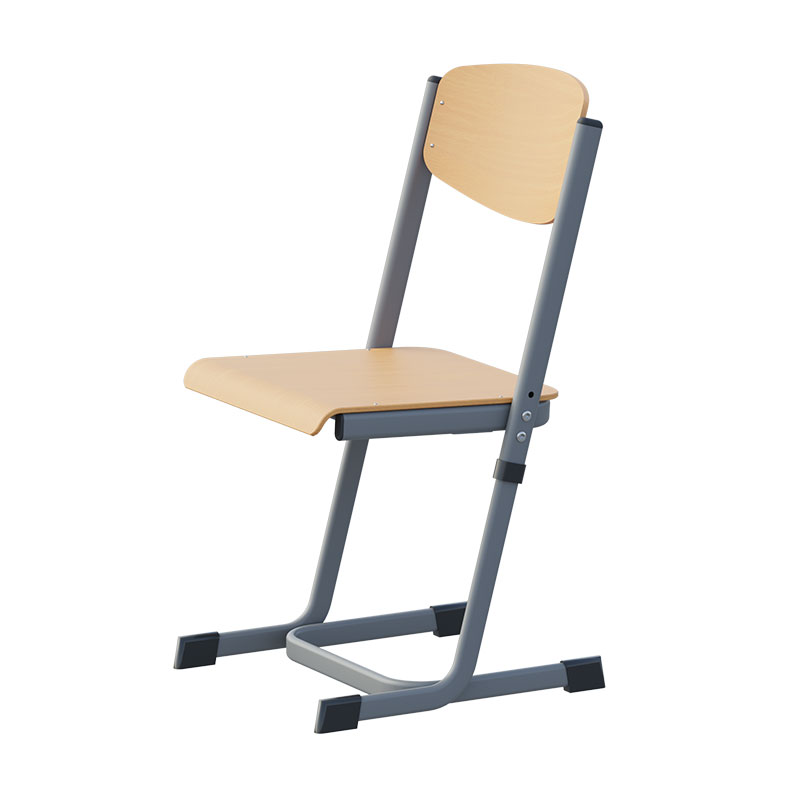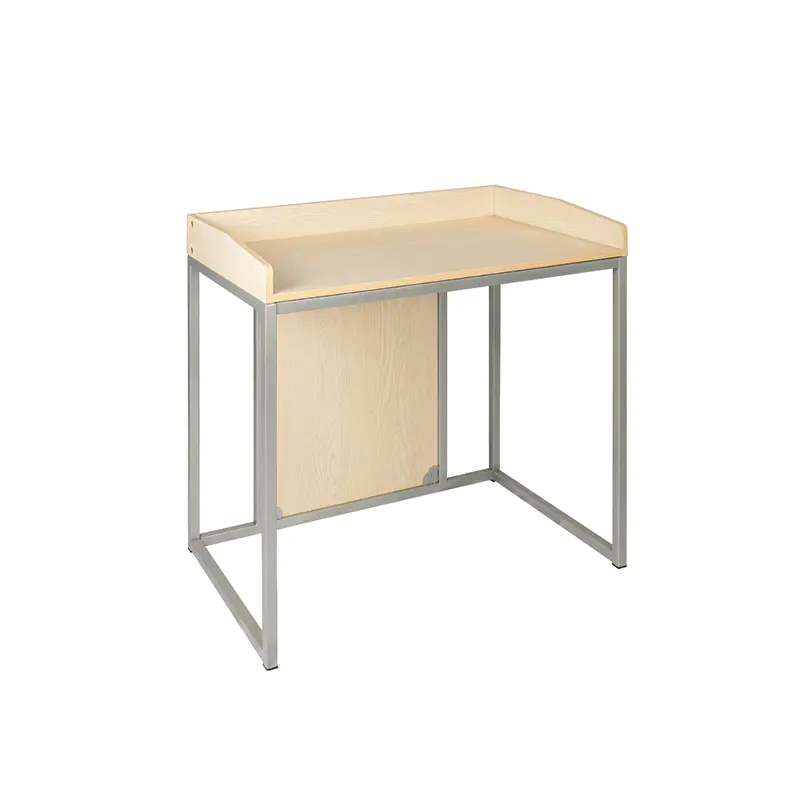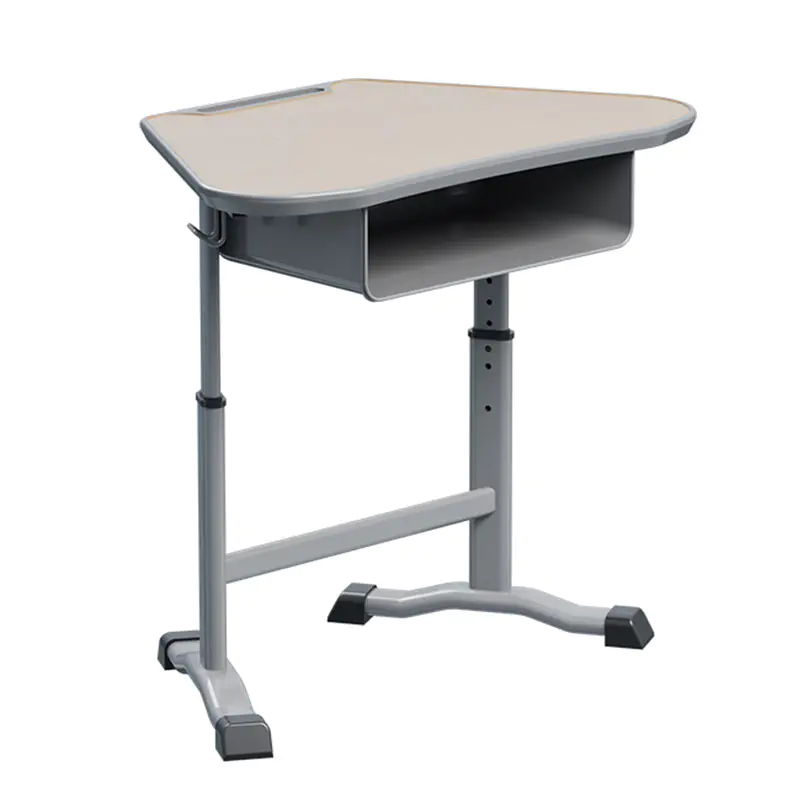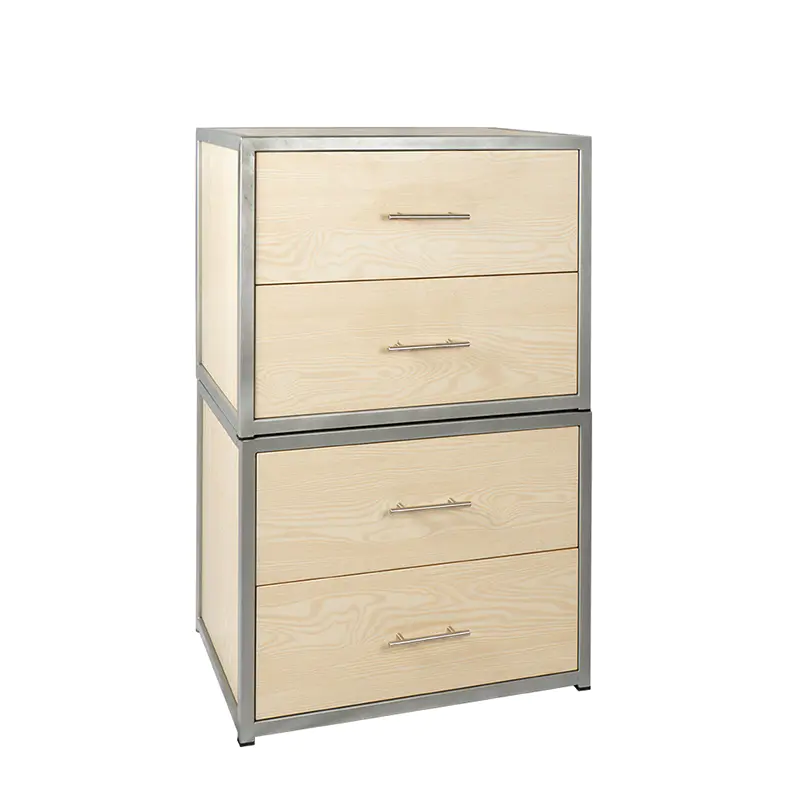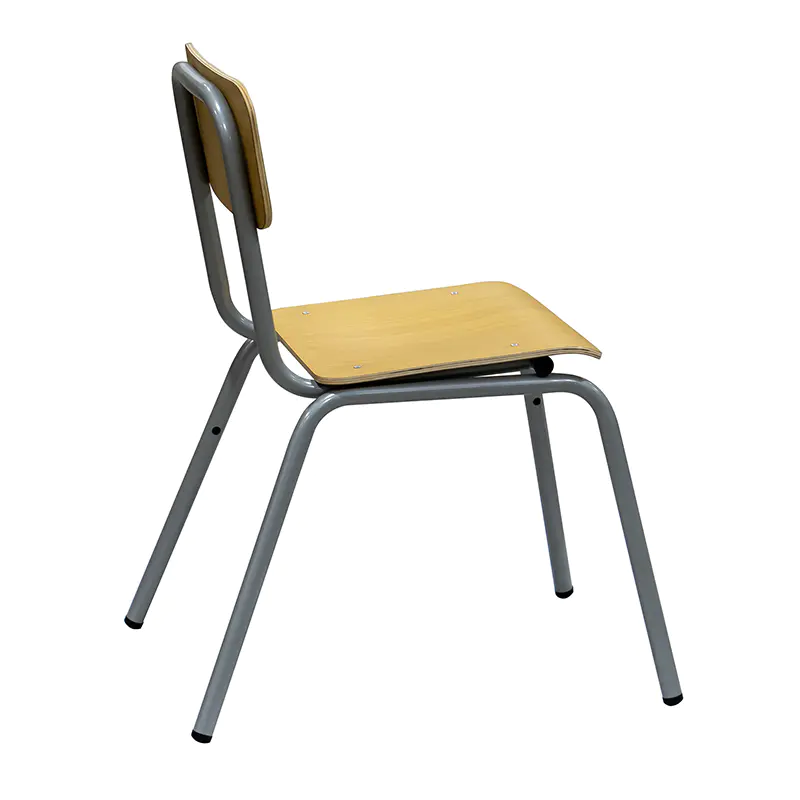

When people think about wooden furniture, many imagine solid pieces of natural wood carved into tables, chairs, and cabinets. However, one of the most interesting developments in modern furniture design is the use of plywood—a material made from thin layers of wood that can create strong, lightweight, and beautifully shaped furniture.
Plywood Chairs are a great example of how engineering and design can transform a simple material into a durable everyday product. Although plywood is made from thin wood veneers, its special layered structure gives it impressive strength and stability.
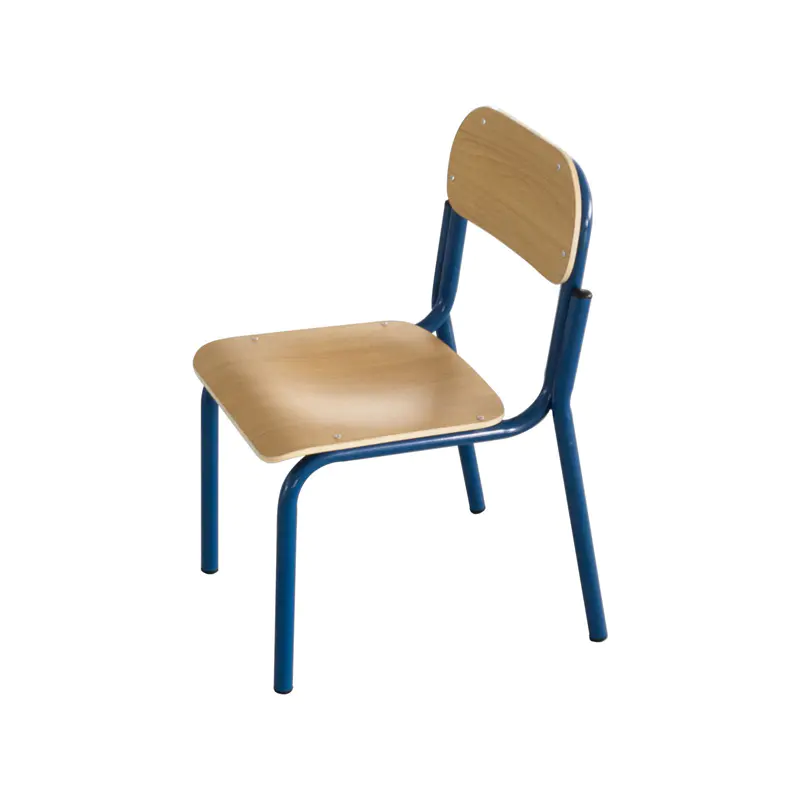
Plywood is an engineered wood material made by bonding multiple thin layers of wood veneer together.
Unlike natural wood boards that have fibers mainly running in one direction, plywood layers are arranged in different directions to improve overall performance.
A typical plywood structure includes:
This layered design is the foundation of plywood’s strength.
The secret of plywood strength comes from its cross-layer structure.
In traditional solid wood, natural grain direction can make the material stronger in some areas but weaker in others. Plywood solves this problem by arranging wood layers in alternating directions.
The basic principle is:
Thin wood veneers
↓
Cross-layer bonding
↓
Balanced strength distribution
↓
Stable furniture structure
Each plywood layer has a different grain direction. This helps reduce weaknesses caused by natural wood movement.
As a result, plywood is less likely to split or deform compared with some single-direction wood boards.
A chair needs to support repeated pressure from sitting, movement, and daily use.
The layered structure allows forces to spread across multiple veneer layers instead of concentrating in one area.
Modern plywood production uses advanced bonding techniques to connect each layer into a stable structure.
The result is a material that behaves more like a single strong panel rather than separate sheets.
The manufacturing process of a plywood chair combines material technology with furniture craftsmanship.
A typical production process includes:
Wood veneer preparation
↓
Layer arrangement and bonding
↓
Heat pressing and molding
↓
Cutting and shaping
↓
Surface treatment and finishing
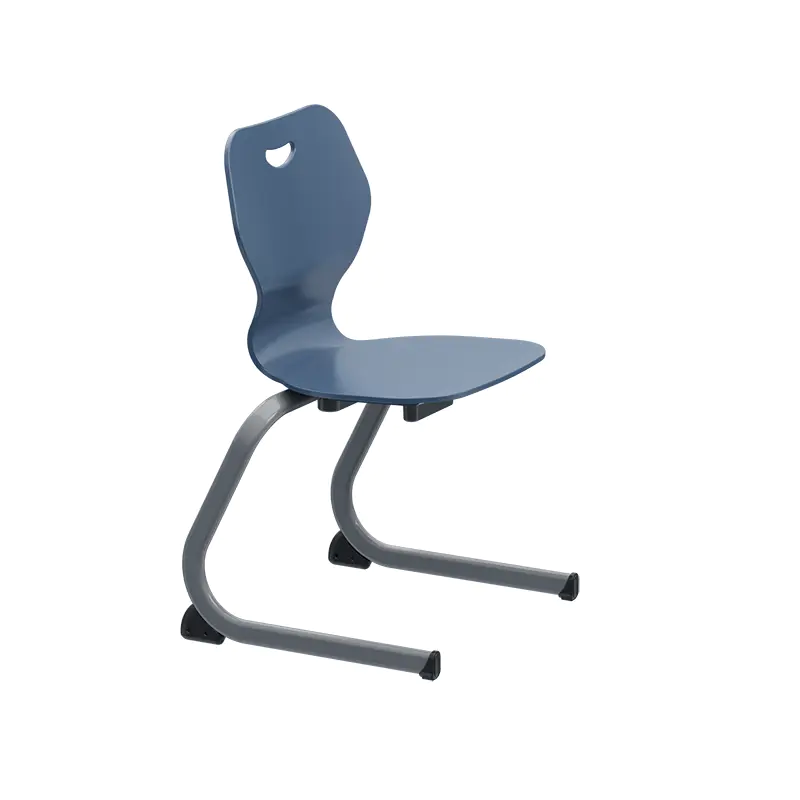
One unique advantage of plywood is that it can be shaped into smooth curves through molding technology.
This allows designers to create:
This flexibility is one reason plywood became an important material in modern furniture design.
| Feature | Plywood Chair | Solid Wood Chair |
|---|---|---|
| Material Structure | Multiple wood layers | Single natural wood piece |
| Strength | Balanced strength from layered structure | Depends on wood type and grain direction |
| Shape Design | Easy to create curved forms | More limited shaping options |
| Weight | Usually lighter | Usually heavier |
| Appearance | Modern and minimalist style | Natural wood texture |
| Material Efficiency | Uses wood resources efficiently | Requires larger wood pieces |
Plywood has become popular among furniture designers because it offers a balance between appearance, function, and manufacturing flexibility.
Designers choose plywood because it allows them to create:
The durability of a plywood chair depends on several factors, including:
High-quality plywood furniture can provide long-term service when properly designed and maintained.
Modern interior design often focuses on simplicity, functionality, and natural materials. Plywood chairs fit well into this trend because they combine a warm wood appearance with contemporary design.
They are commonly used in:
Compared with some traditional solid wood furniture, plywood can make more efficient use of wood resources.
By using thin layers of wood, manufacturers can reduce material waste and create products with stable performance.
This makes plywood an important material in modern furniture development.
As furniture design continues to evolve, plywood technology may focus on:
The strength of a plywood chair comes from more than just the wood itself. Its layered structure, cross-grain design, and advanced manufacturing process allow thin wood veneers to become a strong and reliable furniture material.
From classic furniture designs to modern interior spaces, plywood chairs demonstrate how material science can transform simple natural resources into practical and beautiful products.
Behind every plywood chair is a combination of engineering, craftsmanship, and design thinking that makes lightweight wood furniture possible.